Impending Legal Precedent for GPL Licensing?

If you pay attention to the WordPress world, you might be aware that a landmark lawsuit is likely to be filed. I say landmark expecting that both sides will litigate and not settle – something that is desperately needed in the United States to validate and uphold the scope of the GPL license.

WordPress is a free software that is licensed under GPLv2 – a license that was created in 1991 to protect the ability of developers and users to gain access to software, create derivative works and distribute the copyrighted code in its entirety under the same protective license.

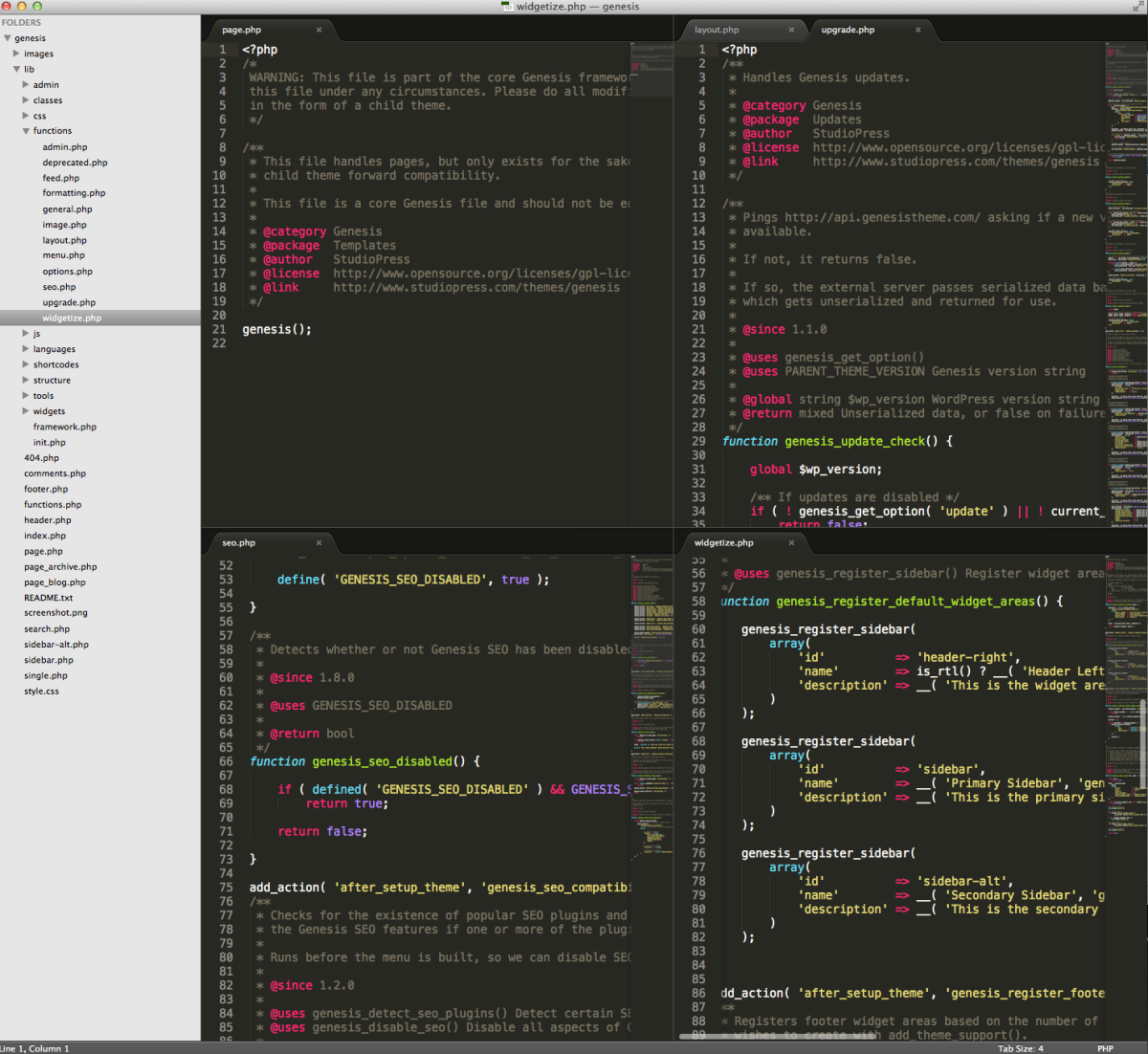
One of the tenants of the GPL that is argued prolifically is that derivative works are works that “link” into other works via APIs and dependencies (such as library dependencies). According to the argument, software that is considered a derivative work must retain the same licensing as the GPL’d work that it links into.

There are many legal (and non-legal) minds who would like to interpret this license in a variety of ways. There have been notable legal cases around the GPL in the United States, but all (to the best of my knowledge) have settled prior to litigation. One of these cases, Progress Software v MySQL AB, revolved around a product called Nusphere that was bundled with MySQL but was proprietary and incompatible with the GPL. The judge refused to grant summary judgement and eventually MySQL simply did not bundle the proprietary software.

Another case avoided judicial decision – and thus avoided judicial precedence. That case, Free Software Foundation v. Cisco, was settled out of court with a donation from Cisco and a pledge of commitment to the GPL.

Today, a major incident happened that has been brewing for years now. Due to an unfortunate incident which involved source code for the popular Thesis theme for WordPress (from DIYThemes) becoming compromised by a hacker, tempers started boiling over. Matt Mullenweg, founder of WordPress and the public face of )Automattic, the largest company behind the WordPress project, ended up on a live interview alongside Chris Pearson of DIYThemes.

Matt suggests (I think accurately) that a theme that is provided for WordPress (it does not work without WordPress) is a derivative work and requires GPL compatibility. He also suggests (accurately, I think) that GPL compliance would only enhance DIYTheme’s business as evidenced by countless other proprietary software providers who have gone open source.

Not to mention that a license does insinuate adherence to legal requirements provided by the license. If you don’t agree to the terms of the license, you’re not permitted to use the software. Makes sense.

Chris’defense is that Thesis is completely independent of WordPress (which I question the rationality of since the software cannot exist absent of WordPress). He believes he has a business and economic right to maintain a license that is at odds with WordPress’GPL license.

So my editorial question is… compliance with the WordPress GPL license is optional but compliance with the Thesis license is not? Hmmm.

Matt, in so many words, has already indicated that there will be a lawsuit that comes out of this. This could be landmark as, if the suit were not settled, it could define the parameters of open source software creation, usage and distribution reaching into every aspect of our life. Who uses Firefox? Yeah… depending on the outcome, that could be affected.

In a perfect world, the two sides reach an amicable solution. Thesis is popular, but it is not the only game in town. However, the second best solution is a legal precedent governing GPL software.

So we stand by and wait.

Image by Joe Gratz

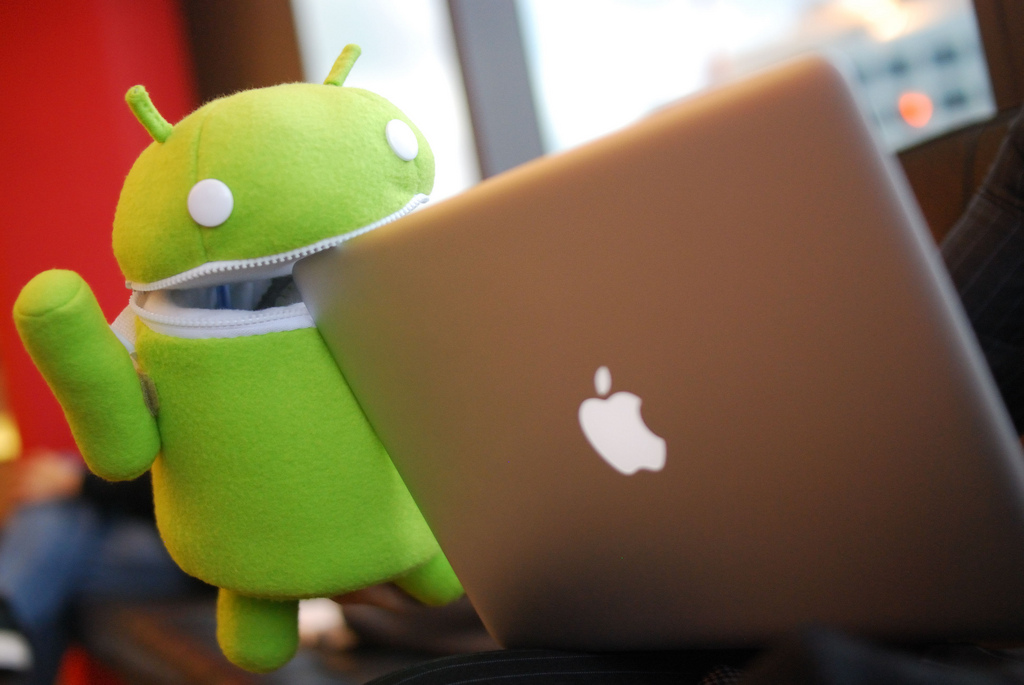
I’m Pro Choice. I’m Android.

We in the tech world are a fickle bunch. On one side of our brain, we scream about openness and freedoms. We verbally disparage anyone who would dare mess with our precious Internet freedoms. Many of us, especially in my WordPress community, swear allegiance to licensing that ensures data and code exchanges on open standards.

Yet one thing stands out to me as an anomaly on this, the opening day of pre-orders for the iPhone 4.


Photo by laihiu on Flickr

Ah yes. The iPhone. The gadget that makes grown men quake in their shoes. The thing that causes adults to behave as if they left their brains at the door. At one point in time, I called this behavior “an applegasm” and identified the Apple store as the place where intelligent people go to die.

And it’s not only the iPhone. It’s the iPad too (I bought one 3 weeks after release and only because I needed it for some client work). In fact, it’s any Apple device. Apple has a way of turning people into automatons controlled by the Borg in Cupertino.

Don’t get me wrong. I love Apple and I love Apple products. However, there is a degree of hypocrisy (or shall we call it “situational morality”) that comes into play here. There is nothing “open” about Apple products. Sure, Steve Jobs famously points out that Apple encourages the use of open web standards like HTML5, CSS3 and Javascript, but the devices are nowhere near open.

In fact, the devices are so closed and guarded that strange things like lost stolen iPhone prototypes make huge news. There is only one device. There is only one operating system. There is only one permitted way of designing apps. There is only one carrier (in the United States).

And the open standards, web-free, maniacal tech world that is ready to take off the heads of closed entities like Microsoft, Facebook and Palm, whistle silently and look the other way when it comes to Apple.

In another few weeks, I am going to be eligible for an upgrade with Verizon Wireless. As a longtime BlackBerry user (I refuse to give money to AT&T ever), I will be investing in a new Android-based phone. I won’t be doing this with any kind of religious conviction about open source. There is a legitimate place for closed source in this world. I’m doing this because the culture of openness (which supersedes the execution of openness, in my mind), allows for more innovation and creativity.

In the Android world (which is quickly catching up to the iPhone world), apps are being created without the artificial restrictions placed by a single gatekeeper. There are more choices in phones. Don’t like this one? Try that one. There is a greater anticipation around what can be done.

Apple had to have its arm twisted to enable multitasking in it’s latest operating system. It had to have its arm twisted to allow cut and paste. It still hasn’t provided a decent camera, despite consumers begging for one. In the Android world, if Motorola doesn’t provide it, maybe HTC does. You have choice. Choice is good.

I’m pro choice.